

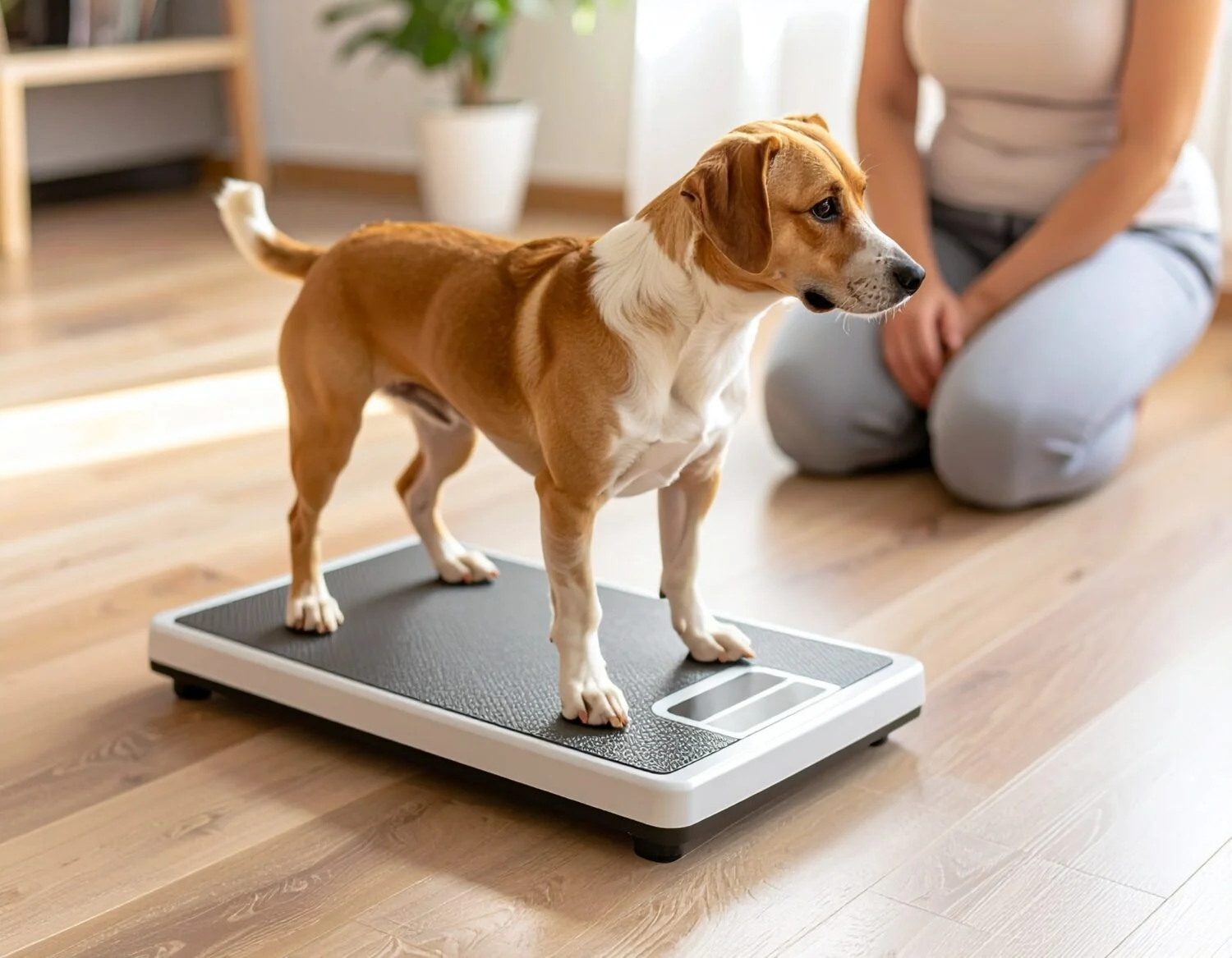
Excessive thinness in a dog isn't just a cosmetic problem – it can signal health complications, metabolic disorders, unsuitable nutrition or psychological strain. Identifying the cause early and a professional approach are key to increasing a dog's body weight safely and effectively.
How can you tell if a dog is too thin?
Before you start changing the daily portion, it's important to assess the dog's actual body condition. This is what the so-called BCS (Body Condition Score) is for – a scale for assessing a dog's nutritional condition from 1 (severely underweight) to 9 (obese).
Typical signs of being underweight:
- clearly visible ribs, spine and hip bones
- poorly developed muscle mass (especially on the legs)
- a pronounced “waist” when viewed from above
- reduced vitality, tiredness or reluctance to move
TIP: If you're not sure, it's best to consult a vet or a pet nutritionist.
Possible causes of low body weight
Health reasons:
- Internal parasites – roundworms, tapeworms
- Digestive system disorders
- Metabolic disorders – diabetes, hyperthyroidism.
- Chronic systemic disease – liver, kidneys, cancer.
- Inflammatory or infectious diseases – for example after a viral infection.
Dietary and routine-related causes:
- Insufficient calorie intake – the daily portion is too small.
- Low-quality food – unsuitable composition, low fat or protein content.
- High physical activity – working and sporting breeds have higher energy needs.
Psychological and behavioural factors:
- Stress, a change of environment or routine
- Anxiety, separation problems
- Social stress (competition at the bowl, dominance)

How to gain weight healthily and safely: recommended approach
Step 1: Diagnosis and ruling out health causes
Especially in the case of sudden or significant weight loss, it's essential to have:
- a clinical examination at the vet
- basic laboratory tests (blood count, biochemistry, stool tests)
- possibly an abdominal ultrasound or EPI tests
Step 2: Optimising nutrition
Increasing the energy value of the food:
- Choose food with a higher content of fat and good-quality animal protein.
- Target values: min. 22–28 % protein, 14–20 % fat.
- Make sure it's highly digestible – recipes with fresh meat are a good choice.
Increase the daily calorie intake:
- Increase the food portion by 10–20 % compared with the manufacturer's recommendation.
- Split the food into 2–3 smaller meals a day.
- Increase the portion gradually, monitoring digestive tolerance (stools, bloating).
Energy supplements:
- Salmon oil, coconut oil – a concentrated source of calories.
- Nutritional pastes for weight gain – suitable during recovery or loss of appetite.
- Eggs, cooked meat, wet food (canned food) – occasionally as an addition, while keeping the diet balanced.

Supporting appetite and digestion
Some dogs lose weight because of poor appetite or malabsorption. These can help:
- Brewer's yeast – supports digestion, appetite and immunity.
- Prebiotics and probiotics – important for intestinal problems or after antibiotics.
Routine and psychological measures
In sensitive dogs, stress is a common factor behind loss of appetite. These can help:
- a stable daily routine (feeding at the same time, in the same place).
- a calm, undisturbed environment while eating.
- positive reinforcement – rewards for eating, patience.
When to seek expert help?
- Your dog doesn't gain weight over the long term despite a larger daily portion.
- There is loss of appetite, diarrhoea, vomiting or changes in behaviour.
- You suspect a chronic disease or a metabolic disorder.
- You need an individual nutrition plan for a sporting, convalescent or older dog.

TIP: A good choice is a veterinary nutrition specialist or a clinic specialising in internal medicine.
Summary: How to help your dog gain weight the right way
✅ Assess body condition using the BCS scale.
✅ Check their health – rule out parasites and chronic diseases.
✅ Increase the calorie value of the diet – ideally through a combination of food and supplements.
✅ Provide a calm, comfortable environment at mealtimes.
✅ Monitor your dog – weight, appetite, stools, activity.
✅ Don't hesitate to turn to an expert if you don't see results.
What will you learn in this article?
- The most common causes of low body weight in dogs
- Recommended steps for increasing weight
- Nutrition and routine measures
- Warning signs that you need to seek expert help