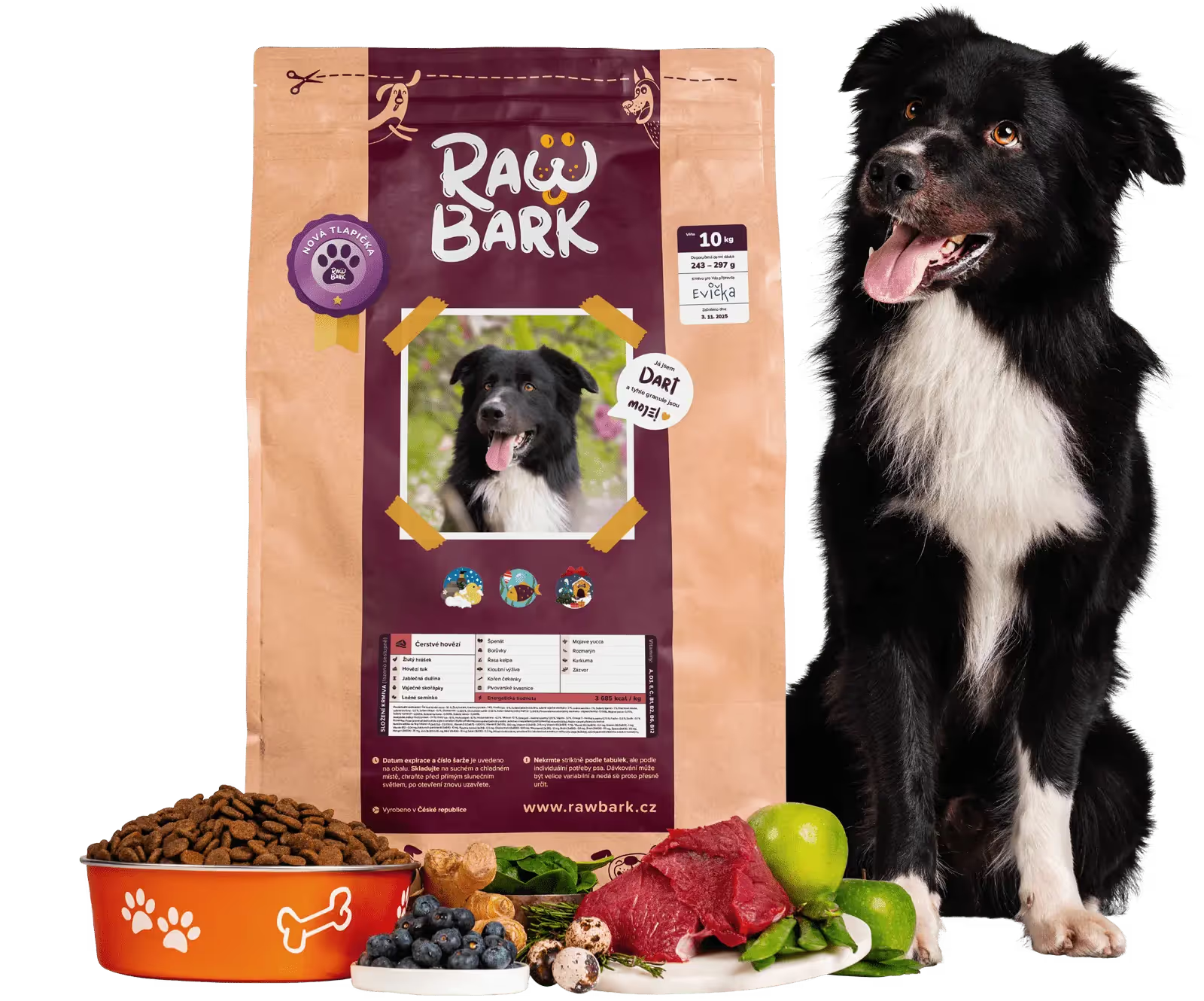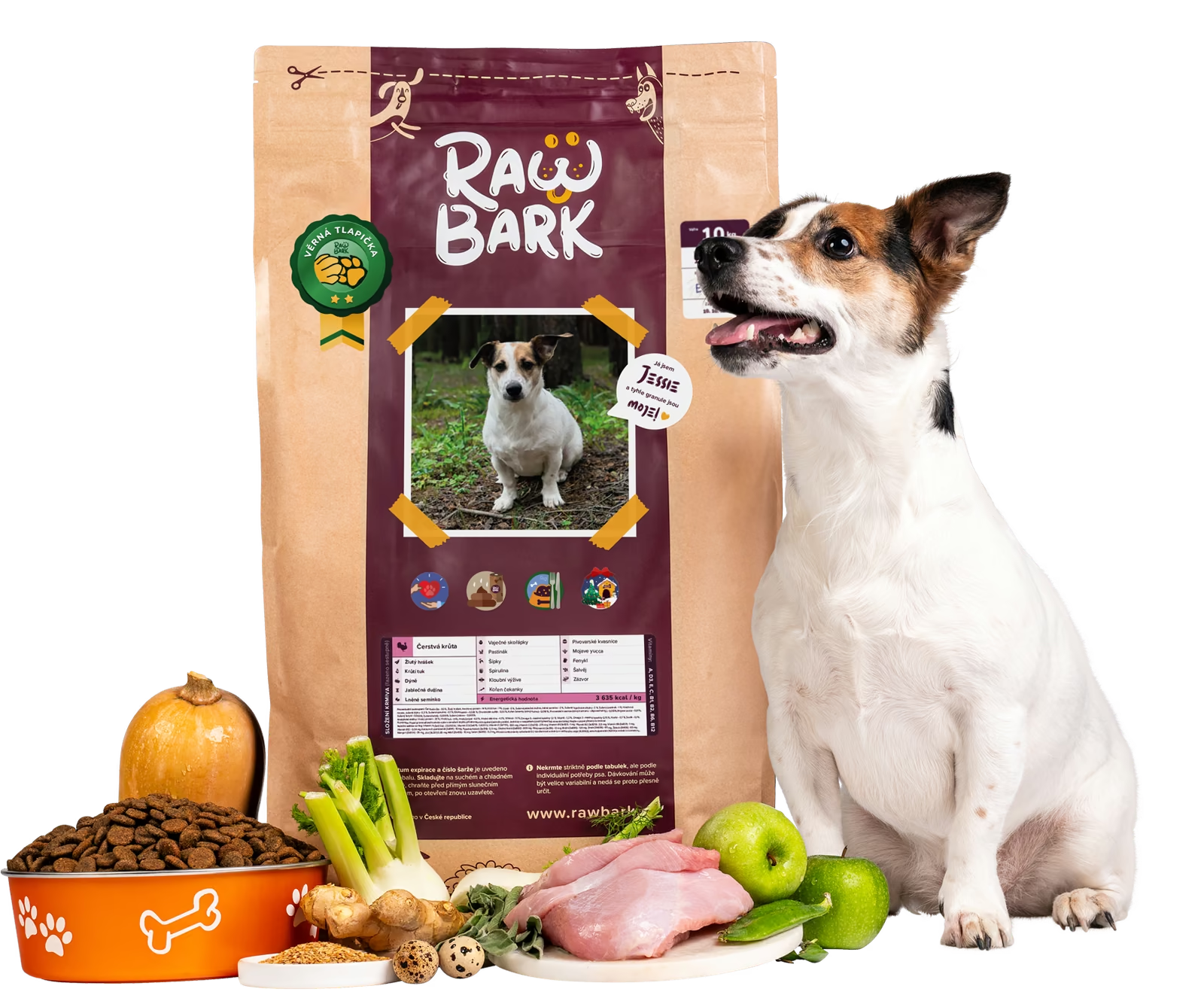




A dog's tongue is literally a symbol. When we imitate a dog, we stick out our tongue. When we think of a dog's love for people, we probably picture a big lick instead of a kiss. This essential organ has several interesting features, and dog lovers may not even know that a dog's tongue can do much more than slobbery displays of affection. It recognises tastes, regulates temperature, expresses emotions and can even reveal your dog's state of health.

On its tongue, a dog has far fewer taste buds than we humans do – about 1 700 compared with our more than 7,000. When judging how appealing food is, it focuses mainly on how the food smells. The taste buds on a dog's tongue can recognise bitter, salty, sweet and sour tastes, but their sensitivity is very low. So taste plays a partial role in eating, but smell is more important. If the food doesn't smell good enough to the dog, taste loses its significance.

A dog's tongue is essential for drinking. If you've ever watched your pooch drink water, you've probably noticed it rarely happens without splashing, and around the bowl it looks as if a fish had been thrashing about in it. Dogs curl their tongue into a ladle shape facing backwards towards the chin, forming a kind of scoop. They use it to scoop up water and toss it straight into their mouth.

By breathing with the tongue hanging out and the well-known panting with an open mouth, a dog's body cools down. The tongue is key in this mechanism and plays a very important role. Rapid breathing and the hanging tongue cause moisture to evaporate, allowing body heat to be released. By evaporating moisture from the tongue, a dog regulates its body temperature.
DANGEROUS in this respect are tight muzzles, e.g. fabric restraint muzzles, which don't allow the dog to open its mouth wide enough and stick its tongue out. By using such a muzzle you risk, above all on hot days , the dog overheating and possibly collapsing. Dogs have sweat glands only on their paws, and that's not enough to cool a body covered in fur!

The colour of the tongue is an important indicator of a dog's health. Its colour can reveal certain health problems. The Chow Chow and Shar Pei breeds have blue tongues. With these breeds it's often hard to judge their health by the tongue. The vast majority of breeds have a bright pink tongue. In them, a sudden change of colour can indicate health problems. Darkening appears with heart or lung problems, some poisonings and electric shocks. With anaemia the tongue has a pale shade.
Finally: Did you know that the thickness of a dog's tongue determines the tone of its bark? The more space it takes up in the dog's mouth, the deeper the bark can be. The length of the tongue also plays a role.
What will you learn in this article?
- What role taste plays in eating
- Drinking doesn't happen without splashing
- The key role of the tongue in cooling down
- Tongue colour as an important indicator of health